
Why Your Mechanical Seal Keeps Failing
Repeated Mechanical Seal Failure? The Seal May Not Be the Real Problem
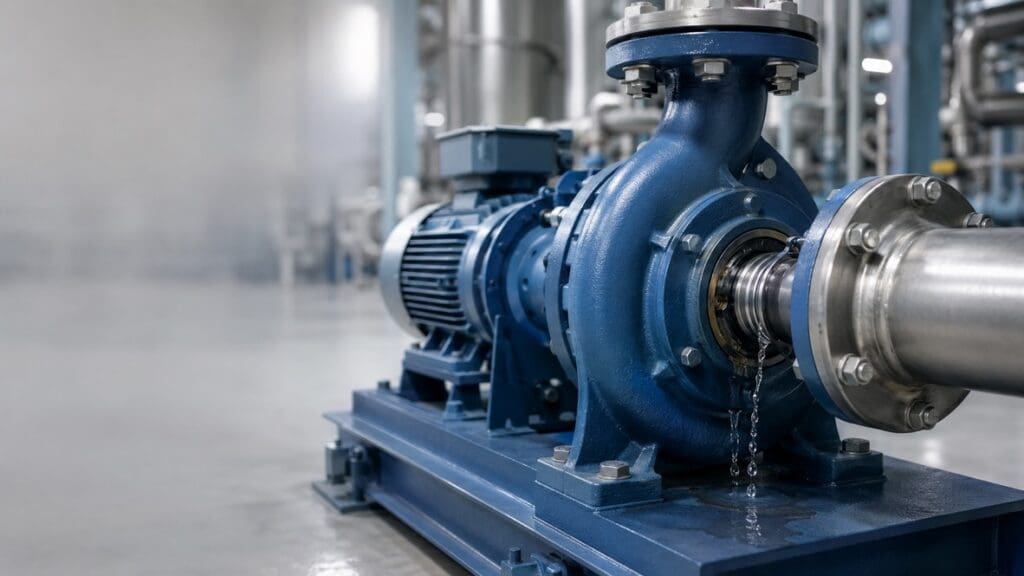
A mechanical seal leak is easy to spot, but finding out why it happened can be tricky.
In many pump systems, the mechanical seal usually shows the first signs of failure. However, if the seal keeps leaking, it might be due to other issues, like running the pump dry, installing it incorrectly, movement of the shaft, vibrations, misalignment, cavitation, bad lubrication, using the wrong materials, or operating the pump in unsuitable conditions. [1] [2] [3]
That is why replacing the seal without checking the pump and system can lead to the same failure happening again.
At USA Pumps 24 LLC, we help customers look beyond the leak and identify whether the pump needs a seal replacement, repair, rebuild, replacement parts, or a complete pump replacement.
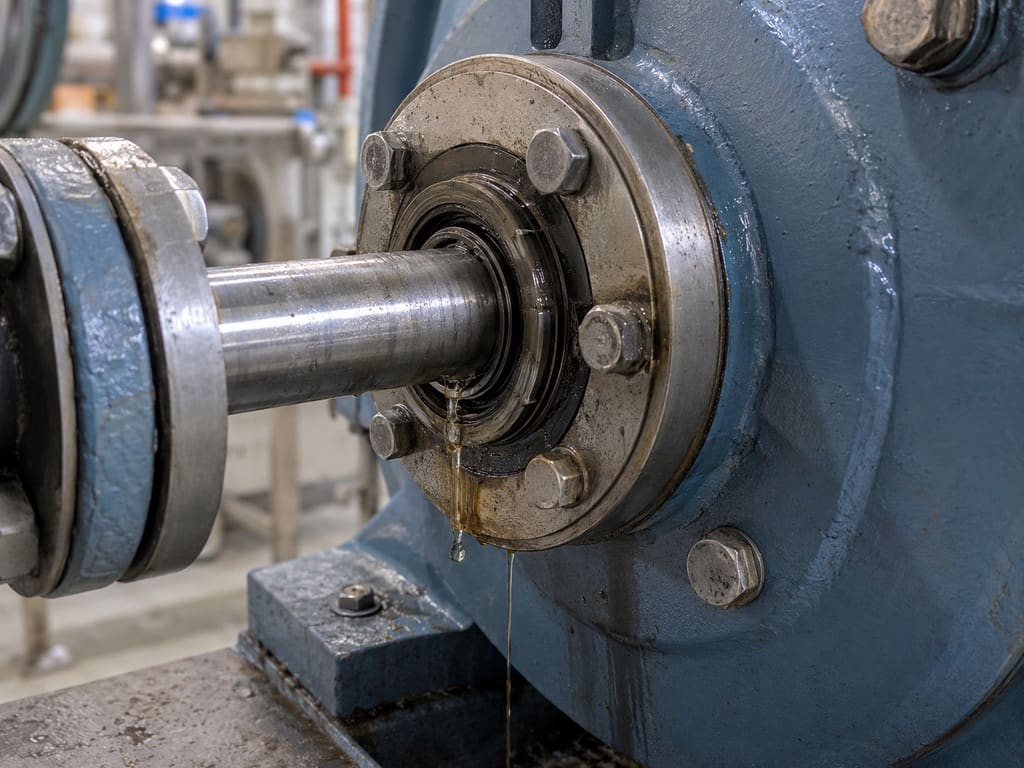
What Does A Mechanical Seal Do?
A mechanical seal helps stop leaks where a spinning shaft goes through a pump or seal area. It has special surfaces and extra seals to keep the process fluid from escaping into the air.
Mechanical seals are widely used in pumps because they prevent leaks better than older packing methods. However, they need the right working conditions, proper installation, suitable materials, and a steady rotating part.
If these conditions aren’t met, the seal’s lifespan can be shortened.
Why Mechanical Seals Fail
Mechanical seal failure is not always caused by a bad seal.
Common contributors to mechanical seal failure include:
- Dry running or insufficient lubrication at the seal faces
- Improper seal installation
- Excessive vibration
- Pump and motor misalignment
- Shaft runout or shaft movement
- Bearing problems
- Cavitation
- Operating the pump away from its intended flow range
- Abrasive or corrosive fluids
- Incorrect seal material selection
- High temperature or pressure conditions outside the seal’s design limits
- Damaged shaft sleeves, worn components, or poor equipment condition
These are not guesses. These causes are widely recognized in pump and seal troubleshooting resources. [1] [2] [3] [4]
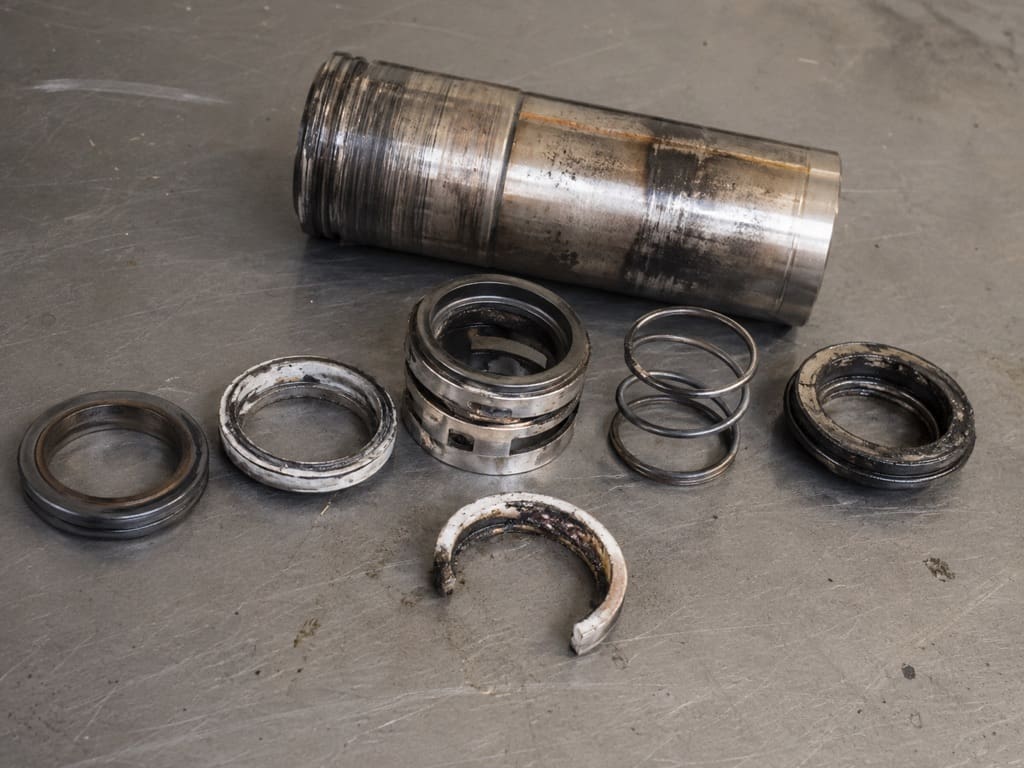
Why Replacing the Seal May Not Fix the Problem
If a pump has had one seal failure, replacing the seal may be enough.
If the same pump has repeated seal failures, the better question is:
What is causing the seal to fail?
Repeated seal failure may point to a larger pump or system issue. For example, vibration and misalignment can affect seal performance and cause premature wear. Cavitation can create noise, vibration, pitting, and damage inside the pump. Dry running or poor lubrication can generate heat at the seal faces and damage the seal quickly. [2] [3] [4]
In these cases, installing another seal may only create a temporary fix.
A more reliable approach is to inspect the pump, rotating assembly, bearings, shaft sleeve, impeller, seal chamber, alignment, piping conditions, and operating conditions before deciding what to quote.
What Repeated Seal Failure Can Cost
Repeated mechanical seal failure can create more than a parts expense.
It can lead to:
- Unplanned downtime
- Emergency labor
- Expedited freight
- Lost production
- Safety concerns from leakage
- Environmental or housekeeping issues
- Damage to bearings, sleeves, or other rotating parts
- Repeat purchase orders for the same problem
- Reduced pump reliability
For maintenance teams, this becomes a reliability issue.
For procurement teams, this becomes a cost-control issue.
For plant managers, property managers, marine operators, and municipalities, this becomes an uptime issue.
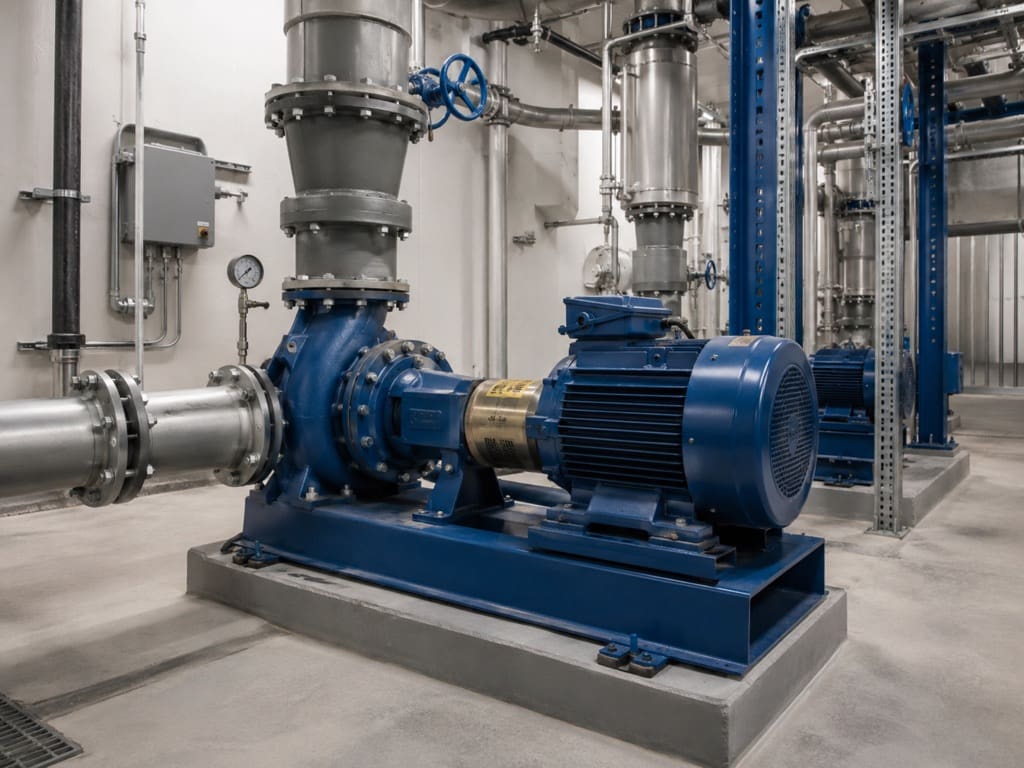
When to Request a Seal Quote
A seal quote may be the right request when:
- The pump is otherwise operating normally
- The failure is isolated to the seal
- The shaft sleeve and rotating assembly are in acceptable condition
- The pump has not had repeated seal failures
- The correct seal type and material are known
- The operating conditions are within the seal’s limits
In this case, USA Pumps 24 LLC can help source the correct replacement seal or related parts.
When to Request a Pump Repair or Rebuild Quote
A repair or rebuild quote may be the better request when:
- The pump has repeated seal failures
- The pump is vibrating
- Bearings are noisy or overheating
- The shaft sleeve is worn or damaged
- The pump is leaking from multiple areas
- The impeller is damaged
- The pump has reduced flow or pressure
- The pump has signs of cavitation
- The equipment has been in service for a long time
- The same repair has already been performed more than once
A repair or rebuild can help address the condition of the pump, not just the visible leak.
When Replacement May Be the Better Option
A replacement pump may be the better option when:
- The pump is obsolete
- Parts are difficult to source
- Repair costs are approaching replacement cost
- The pump is incorrectly sized for the application
- The casing or major components are damaged
- The pump has a history of repeated failures
- The customer needs better reliability or shorter downtime
- The existing pump no longer fits the system requirements
In some cases, replacing the seal is the least expensive short-term option but not the best long-term decision.
Information That Helps USA Pumps 24 LLC Quote Faster
To help us respond quickly, send the following information with your RFQ:
- Pump manufacturer
- Pump model number
- Pump serial number
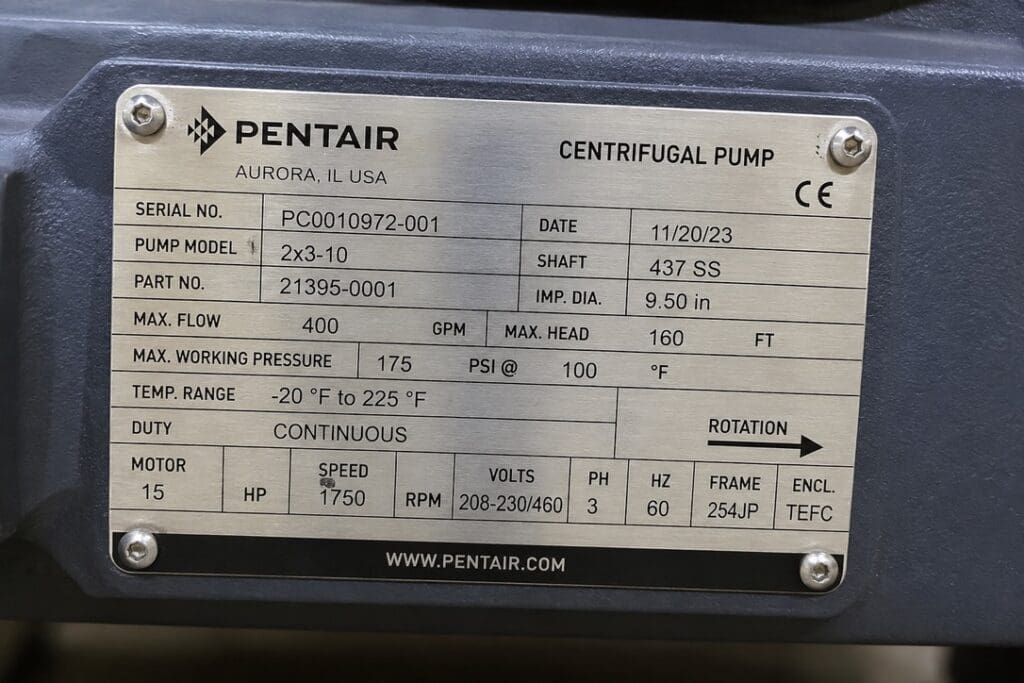
- Photos of the pump nameplate
- Photos of the seal area or leak
- Motor horsepower, voltage, phase, and RPM
- Liquid being pumped
- Approximate temperature and pressure
- Flow and head requirements, if available
- How long the seal lasted
- Whether this is the first failure or a repeat failure
- Any vibration, noise, overheating, or low-flow symptoms
- Whether you need a seal, repair, rebuild, replacement pump, or parts quote
Need Help With Repeated Mechanical Seal Failure?
If your pump keeps leaking, keeps going through seals, or keeps failing after repair, USA Pumps 24 LLC can help.
We support industrial, municipal, commercial, and inland marine pump applications with pump parts, repair options, rebuild support, replacement pumps, and troubleshooting guidance.
Send your pump photos, nameplate, operating details, and failure history to request a quote.
USA Pumps 24 LLC
Pump repair. Replacement pumps. Parts. Troubleshooting support.
Built for customers who need answers, not guesswork.
References
[1] SEPCO — Mechanical Seals: Failure Analysis
SEPCO notes that seal failure analysis should include lubrication, alignment, secondary seals, and seal material compatibility.
[2] SEPCO — The Most Common Reasons Mechanical Seals Fail
SEPCO lists cavitation, vibration, misalignment, aging, and wear as causes that can contribute to seal failure.
[3] Pumps & Systems — Pump Vibration & Troubleshooting Strategies
Pumps & Systems connects pump vibration troubleshooting with repeated seal failures, bearing failures, high bearing temperatures, cavitation damage, and coupling damage.
[4] CPE Systems — Mechanical Pump Seal Failure: Causes & Prevention
CPE Systems discusses common contributors to mechanical pump seal failure and prevention, including operating conditions, maintenance, installation, and proper seal selection.