
Centrifugal Pumps and Their Application: Types, Operation, and Uses
Franklin Electric DA1A Series Close-Coupled

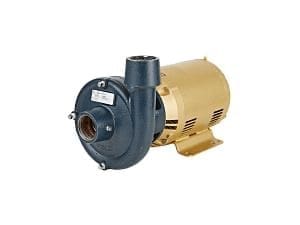
Franklin Electric FAC Series Close-Coupled Centrifugal Pump
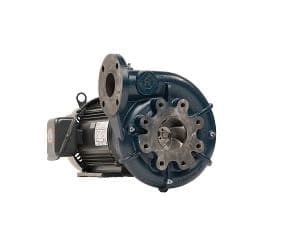
Franklin Electric AG Series Centrifugal Pump
Introduction
Centrifugal pumps play a central role in moving liquids efficiently across industries and everyday systems. They convert rotational energy into fluid flow. This makes them one of the most widely used types of pumps in the world. A centrifugal pump is designed to move liquids by using an impeller. This creates velocity and pressure. This design makes it reliable for both simple and complex applications.
These pumps are in many areas of life, from supplying water in homes to driving large-scale industrial processes. Their versatility comes from the variety of designs available, each suited for different flow rates, pressures, and materials. By understanding how centrifugal pumps function, you can see where they are used. This makes it easier to understand why they remain a backbone of fluid handling systems.
Key Takeaways
- Centrifugal pumps use an impeller to move liquids with speed and pressure
- Different designs allow them to fit a wide range of uses
- They remain essential in both daily life and industrial applications
Fundamentals of Centrifugal Pumps
A centrifugal pump uses rotational energy to move liquid through a system. Its design converts mechanical energy into fluid flow. This conversion creates pressure that allows liquid to travel efficiently across pipelines or equipment.
Working Principle and Centrifugal Force
A centrifugal pump operates by rotating an impeller inside a volute casing. As the impeller spins, it imparts velocity to the liquid. The liquid moves outward from the center of the impeller. This movement converts the velocity into pressure energy as it approaches the casing.
The process relies on centrifugal force, which pushes liquid away from the impeller eye and into the pump casing. This action creates a low-pressure area at the inlet, drawing more liquid into the pump.
Because the pump continuously converts velocity into pressure, it can handle steady flows without pulsation. This makes it suitable for water supply, wastewater handling, and industrial circulation systems.
Key Components and Their Functions
The impeller is the rotating element that transfers energy to the fluid. Its blades are shaped to guide liquid smoothly outward, reducing energy losses. Impellers may be open, semi-open, or closed depending on the application.
The volute casing surrounds the impeller and collects liquid discharged from the blades. Its spiral shape gradually expands, slowing down the fluid and converting velocity into pressure.
Other important parts include:
- Pump shaft: Connects the impeller to the motor.
- Seals: Prevent leakage along the shaft.
- Bearings: Support the shaft and reduce friction.
Each component works together to maintain efficiency, minimize wear, and ensure reliable operation.
Flow Rate and Pressure Generation
The flow rate depends on the impeller size, rotational speed, and system resistance. Larger impellers or higher speeds increase the volume of liquid moved per unit of time.
Pressure generation occurs as the pump converts velocity energy into pressure within the casing. The design of the impeller blades and volute directly affects how much pressure the pump can build.
Pump performance is often shown on a pump curve, which relates flow rate to pressure (head). This helps operators match a pump to the system’s requirements without overloading the motor or reducing efficiency.
Types of Centrifugal Pumps
Centrifugal pumps vary in design. Designs depend on the number of impellers, the way they handle suction, and the direction of fluid flow. Each type is suited for specific applications such as water supply, industrial processes, or wastewater treatment.
Single-Stage Centrifugal Pump
A single-stage centrifugal pump uses one impeller to move fluid. This simple design makes it cost-effective, easy to maintain, and widely used in water supply, cooling systems, and low-pressure applications.
Because there is only one impeller, the pump is best suited for systems that do not require very high pressure. It performs well when the liquid source is close and the suction lift is minimal.
Key features include:
- One impeller for fluid movement
- Lower cost compared to multi-stage pumps
- Common uses: irrigation, circulation in HVAC, and general water transfer
Its straightforward construction makes it reliable. It is suitable for continuous operation in municipal and industrial environments. These are places where moderate flow and pressure are needed.
Multi-Stage Centrifugal Pump
A multi-stage centrifugal pump contains two or more impellers mounted on the same shaft. Each impeller increases the pressure of the liquid, making these pumps suitable for high-pressure applications.
They are often used in boiler feed systems, high-rise building water supply, and reverse osmosis units. The ability to build pressure step by step allows them to move water to great heights or through long pipelines.
Advantages include:
- High efficiency at high pressures
- Flexibility in adjusting the number of stages for specific needs
- Applications: power plants, mining, and municipal water distribution
Compared to single-stage pumps, they require more precise alignment and maintenance. However, the added complexity offers performance that single impellers can’t achieve.
Self-Priming Pump
A self-priming pump is designed to handle air in the suction line and automatically begin pumping without manual priming. It has a built-in chamber that holds liquid after shutdown. This helps create the vacuum needed to draw fluid into the impeller.
These pumps are used in wastewater treatment, stormwater handling, and dewatering tasks. They are also common in situations where the pump is installed above the liquid level.
Notable traits:
- Air-handling ability without external priming
- Versatility for dirty water and solids-laden fluids
- Applications: sewage systems, construction sites, and portable pumping units
These pumps are sometimes less efficient than standard centrifugal pumps. Yet, their convenience and reliability in challenging conditions make them highly practical.
Radial and Mixed Flow Pumps
Radial flow pumps move liquid perpendicular to the shaft, creating high pressure but relatively low flow. They are ideal for applications where pressure is more important than volume, such as boiler feed or chemical processing.
Mixed flow pumps combine radial and axial flow characteristics. They push liquid outward and along the shaft, providing a balance of moderate pressure and higher flow. This makes them suitable for irrigation, flood control, and cooling water systems.
Comparison:
| Pump Type | Flow Rate | Pressure | Common Uses |
|---|---|---|---|
| Radial Flow | Low | High | Power plants, chemical plants |
| Mixed Flow | Medium | Medium | Irrigation, flood control, cooling |
These pumps are often built as submersible pumps or turbine pumps, depending on installation needs. Their design flexibility allows them to serve both municipal and industrial operations where different flow and pressure conditions are required.
Performance, Materials, and Design Considerations
Centrifugal pumps depend on efficiency, material durability, and correct part sizing to operate reliably. The selection of materials and design details such as impeller diameter directly affects performance. The sealing method also influences cost and service life.
Pump Performance and Efficiency
Pump performance is measured by flow rate, head, and power consumption. Engineers often use performance curves to match a pump to system requirements. A pump that runs near its Best Efficiency Point (BEP) reduces energy waste and mechanical stress.
Efficiency also depends on proper suction conditions. Poor suction can cause cavitation, which damages impellers and reduces lifespan. Operators monitor Net Positive Suction Head (NPSH) to prevent this issue.
Regular maintenance, including bearing checks and alignment, helps maintain efficiency. Even small mechanical problems can raise energy use and lower output. For large pumping stations, efficiency improvements can save significant operating costs over time.
Material Selection: Bronze and Stainless Steel
Material choice affects resistance to corrosion, wear, and cost. Bronze is often used in seawater and low-pressure applications because it resists saltwater corrosion and is relatively easy to machine. It is also less expensive than many alloys.
Stainless steel offers higher strength and greater resistance to aggressive chemicals. It is common in wastewater and chemical processing where pumps face harsh fluids. Stainless steel also withstands higher pressures compared to bronze.
The decision between bronze and stainless steel depends on both fluid properties and budget. In some cases, hybrid designs use bronze impellers with stainless steel casings to balance cost and durability.
| Material | Strength | Corrosion Resistance | Common Use Cases |
|---|---|---|---|
| Bronze | Medium | Good in seawater | Marine, HVAC, light industrial, commercial |
| Stainless Steel | High | Excellent | Wastewater, chemical, high pressure |
Impeller Diameter and Mechanical Seal
Impeller diameter directly influences flow and head. A larger diameter increases head but also raises power demand. Trimming the impeller allows fine-tuning of pump performance without replacing the entire unit.
Mechanical seals prevent leakage along the pump shaft. They are more reliable than packing seals, especially in high-pressure or hazardous fluid applications. Seal design must match operating pressure, temperature, and fluid type.
Improper sealing can lead to fluid loss, bearing damage, and safety risks. Engineers often select seals with materials such as carbon, ceramic, or silicon carbide to handle wear and reduce leakage.
Correct sizing of both impeller and seal ensures stable operation and minimizes downtime.
Applications of Centrifugal Pumps
Centrifugal pumps serve a wide range of roles in industries, municipal systems, and agriculture. Their ability to handle different flow rates, pressures, and fluid types makes them suitable for both standard and specialized operations.
Industrial and Process Applications
Industries rely on centrifugal pumps to move liquids in chemical plants, oil refineries, and food processing facilities. These pumps handle tasks such as circulating cooling water, transferring chemicals, and feeding boilers.
Process pumps are often designed to meet strict standards for safety and reliability. In chemical processing, they must resist corrosion from aggressive fluids. In power plants, they maintain steady flow for cooling systems and condensate return.
A key benefit is their ability to operate over a wide range of flow rates. This flexibility allows engineers to match pump performance with system demands. Many plants use pump curves to select the right size and speed for efficient operation.
Common industrial uses include:
- Circulating water in cooling towers
- Moving petroleum products
- Feeding high-pressure boilers
- Transferring food-grade liquids under sanitary conditions
Water Supply and Irrigation
Centrifugal pumps play a central role in municipal water systems. They lift groundwater, move water through treatment plants, and distribute it to homes and businesses. Their ability to maintain continuous flow makes them well-suited for large-scale supply networks.
In irrigation, farmers use them to draw water from rivers, reservoirs, or wells. The pumps deliver water through pipelines or sprinkler systems to reach crops efficiently. Their design allows operation at varying flow rates, which helps adapt to seasonal or crop-specific needs.
Rural water projects also use centrifugal pumps for small community systems. These installations often require reliable equipment that can run for long periods with minimal maintenance.
Typical applications include:
- Drinking water distribution
- Agricultural sprinkler systems
- Groundwater pumping
- Wastewater transfer after treatment
Handling Viscous Fluids and Special Media
While centrifugal pumps work best with low-viscosity liquids, they can also be adapted for thicker fluids. Industries handling syrups, oils, or slurries often use modified impellers or larger clearances to reduce energy loss.
Viscous fluids reduce efficiency and increase power needs. Engineers must consider these factors when selecting pump size and motor capacity. In some cases, speed reduction or heating of the fluid helps maintain flow.
Special media like corrosive chemicals, seawater, or abrasive slurries need pumps built with resistant materials. Stainless steel, bronze, or coated surfaces extend equipment life in harsh environments.
Examples of special applications include:
- Pumping crude oil in refineries
- Handling paper pulp in mills
- Circulating brine in desalination plants
- Moving chemical solutions in process industries
Frequently Asked Questions
Centrifugal pumps rely on a simple design that uses rotating energy to move fluids. Their structure, operation, and application vary depending on the system requirements, making them suitable for many industries.
What are the main components of a centrifugal pump?
A centrifugal pump typically includes an impeller, casing, shaft, bearing, and seal.
The impeller rotates to transfer energy to the fluid. The casing directs the flow and builds pressure. The shaft connects the impeller to the motor, while bearings and seals support alignment and prevent leakage.
How does the working principle of a centrifugal pump aid fluid movement?
The pump works by converting mechanical energy from a motor into kinetic energy in the fluid.
As the impeller spins, it accelerates the liquid outward into the casing. The casing slows the fluid and converts velocity into pressure, allowing the fluid to move through the setup efficiently.
In what applications are centrifugal pumps most commonly utilized?
Centrifugal pumps are widely used in water supply, wastewater treatment, chemical processing, oil refining, and power plants.
They are also common in HVAC systems, irrigation, and food processing because they handle continuous flow and large volumes effectively.
What are the advantages of using a centrifugal pump over other pump types?
Centrifugal pumps have a simple design, which makes them easy to take care of.
They can handle high flow rates and are cost-effective for moving low-viscosity fluids. Their ability to work smoothly with minimal pulsation makes them reliable for many industrial and commercial uses.
Can you explain the differences between horizontal and vertical centrifugal pumps?
A horizontal centrifugal pump has a shaft positioned horizontally, making it easier to install and keep. It usually requires more floor space.
A vertical centrifugal pump has a vertically oriented shaft. This design saves space. It works well in applications with limited floor area. It is also effective when pumping from deep pits.
What are the considerations when selecting a centrifugal pump for industrial use?
Selection depends on flow rate, pressure requirements, fluid type, temperature, and system layout.
Engineers must also consider pump efficiency, material compatibility with the fluid, and long-term maintenance needs. Choosing the correct pump ensures reliable operation and reduces downtime.